 Family
 Honeymoon
 Beaches
 Adventure
 Spiritual
 Historic
 Safari
 Sports
 Cruise
 Business
 Student
 Hill Station
 Forest
 Domestic
 Global
 India Tour
 Health
 Homestays
- Family
- Honeymoon
- Beaches
- Adventure
- Spiritual
- Historic
- Safari
- Sports
- Cruise
- Business
- Student
- Hill Station
- Forest
- Domestic
- Global
- India Tour
- Health
- Homestays
_h.jpg)
Highlights Of Gujarat (10 Nights / 11 Days)
10 Nights / 11 Days
Price on Request

 Itinerary
 |
BY ROAD – 425 KMS / 08 HRS – AHMEDABAD TO BHUJ Day 1
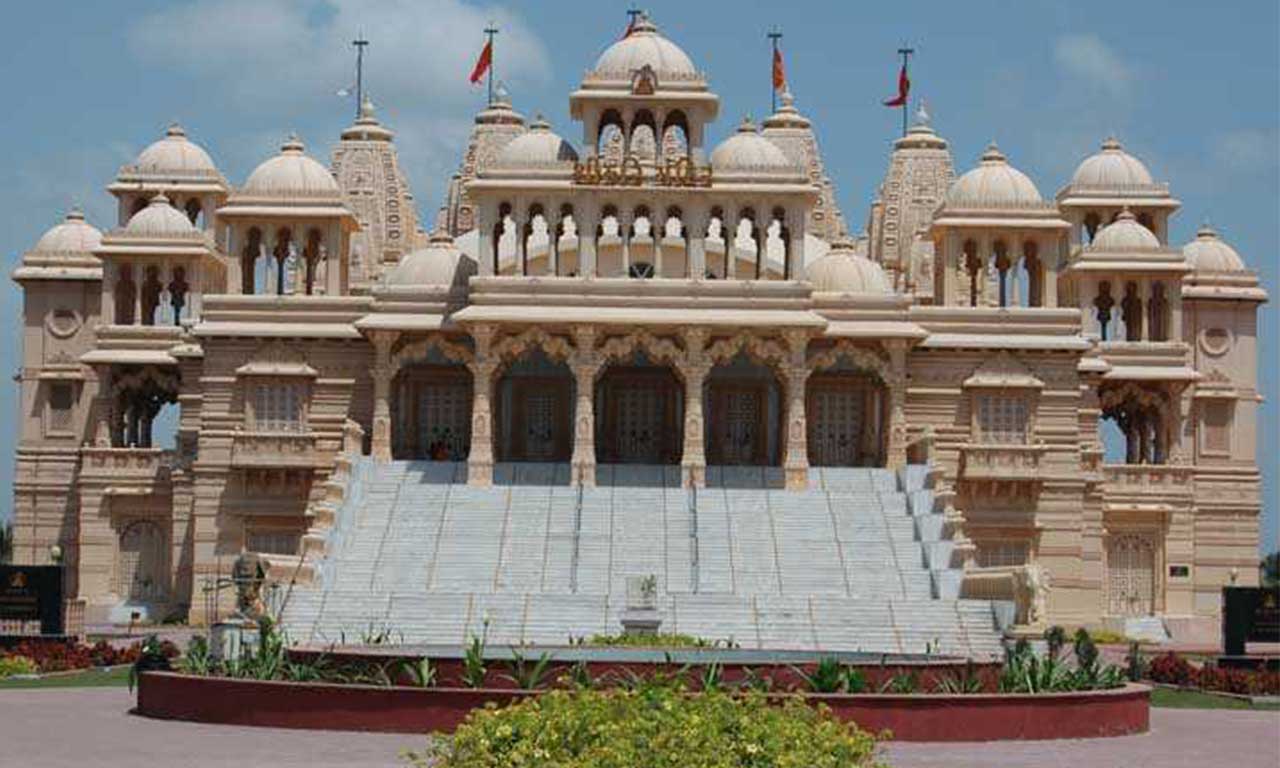
Arrive Ahmedabad and drive to Bhuj; Arrive Bhuj and transfer to your hotel.
|
 |
IN BHUJ Day 2
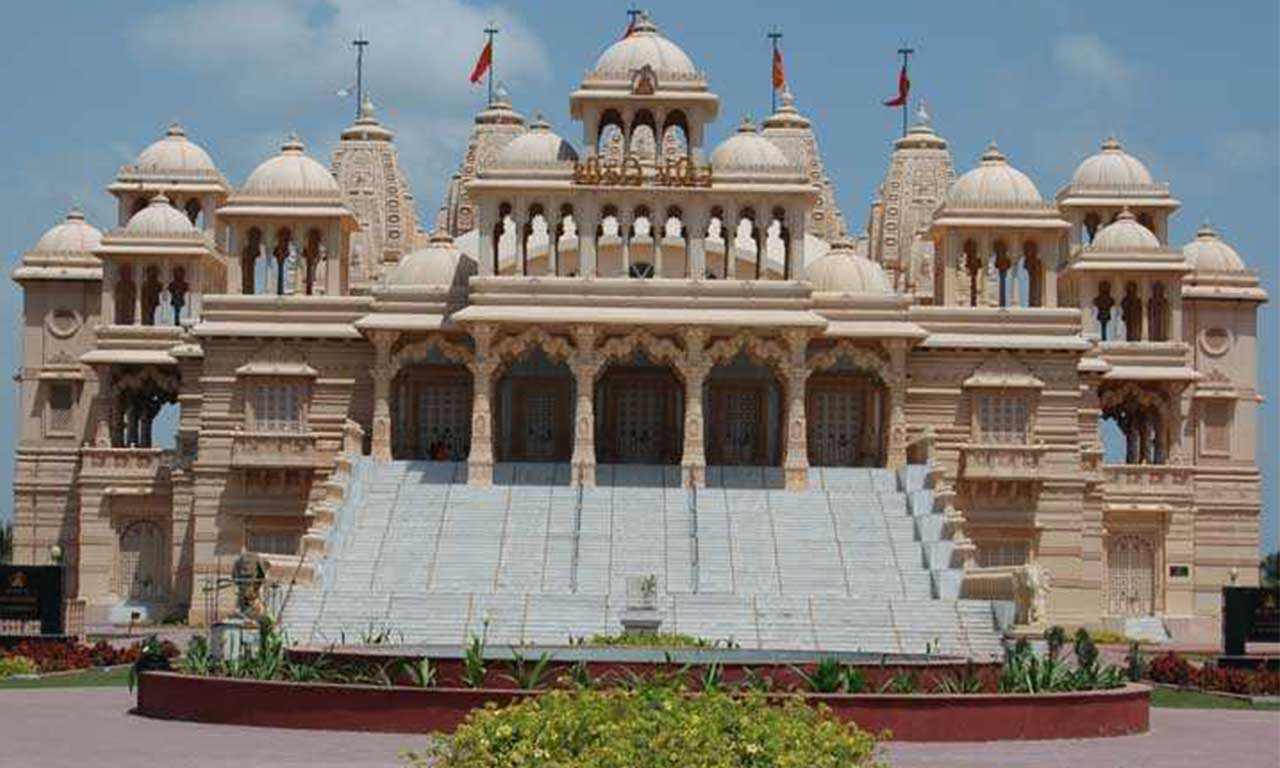
After breakfast visit the villages of Bhuj. Amidst the Desert land of infinite dimensions, are
Nirona: The village of multiple talents! The village of Nirona is the only place in the world
Khavda (90 Km. Approx.) – a town of Pachcham Region. One can find a tiny market and a Ludiya: Ludiya Village is comprised of several hamlets belonging to the Meghwal & Samma Communities. The latter community, primarily herdsmen, is more conservative when it Dhordo: Dhordo village is situated as a last village in the area. Dhordo, has approx. 70houses, having 450 odd population of communities of Mutva (90%), Sheikh (8%), and Harijan (2%) involved in doing the jobs of various handicrafts popularly known as ‘Banni Handicrafts’ which has become famous world over. Here the minutest of minute and expensive embroideries and mud work are done. Their craftsmanship and artistic works are so much excellent that craftsmen/artists have been honoured by national awards. These people subsist and depend mainly on doing mud works, godadi works (very small quilts), patch – works, handmade embroideries as craftsmen and others on livestock as pastoralists (Maldharis). Inspite of being a last remote village in the Banni area, Dhordo has assumed the status of high – tech village, having the facilities of ATM being run on solar system, a higher secondary school with latest computers. Thus, Dhordo stands out as a model village in Kutch, attracting industries like Bromine industry and Tourism. A solar plant covering the whole village for adequate power – supply has been installed. Not only this but as for the water – supply particularly the drinking water, it has been managed by the filtration of the collected water of the pond, which is maintained and becomes useful in the critical situation of shortage of water in summers.
|
 |
BY ROAD – 250 KMS / 05 HRS – BHUJ TO JAMNAGAR Day 3
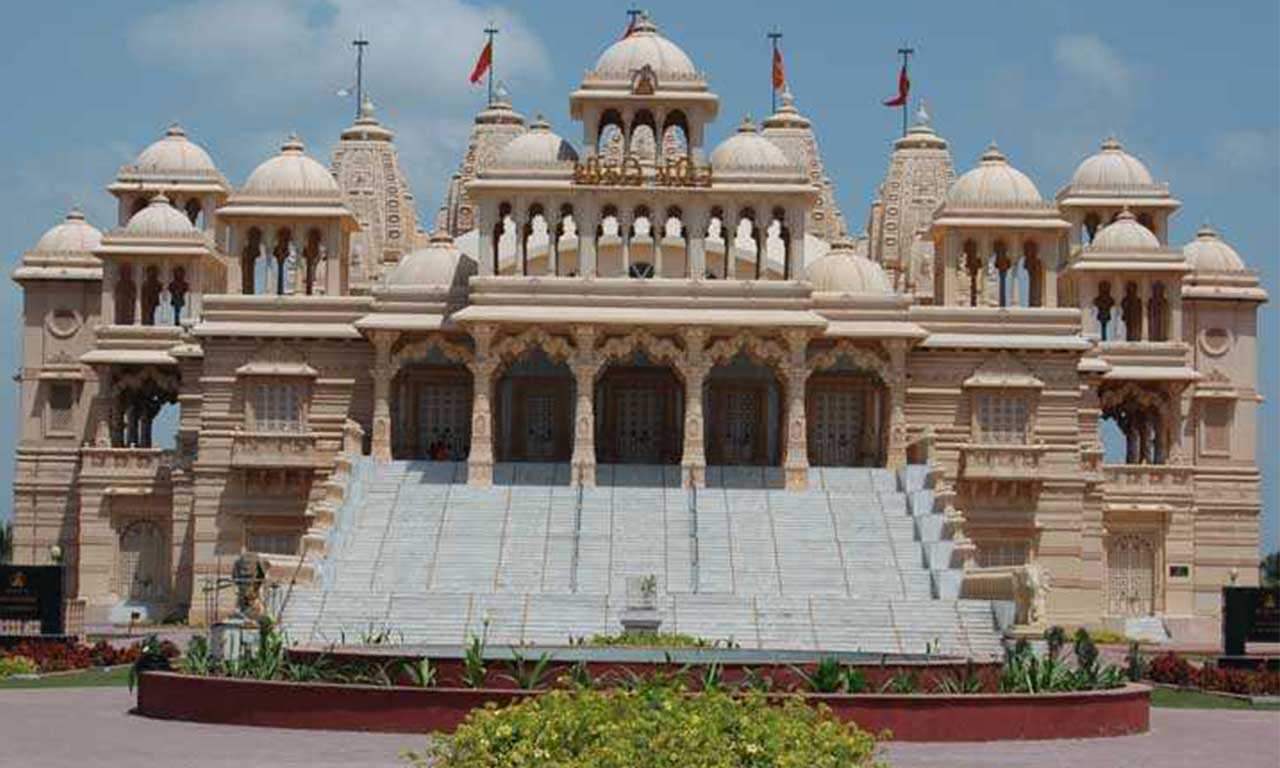
After breakfast drive to Jamnagar; Arrive Jamnagar and transfer to your hotel.
|
 |
BY ROAD – 145 KMS / 03 HRS – JAMNAGAR TO DWARKA Day 4
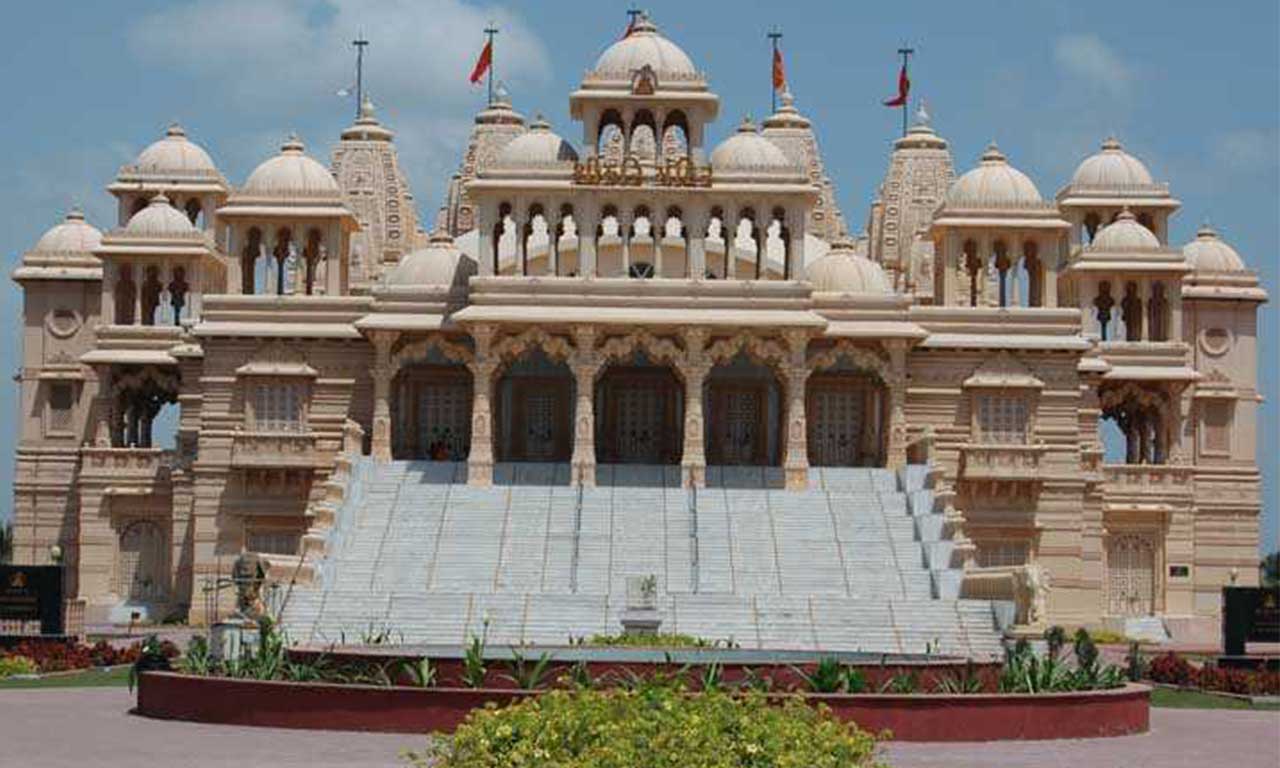
After breakfast drive to Dwarka; Arrive Dwarka and transfer to your hotel.
|
 |
BY ROAD – 250 KMS / 05 HRS – DWARKA TO SOMNATH Day 5
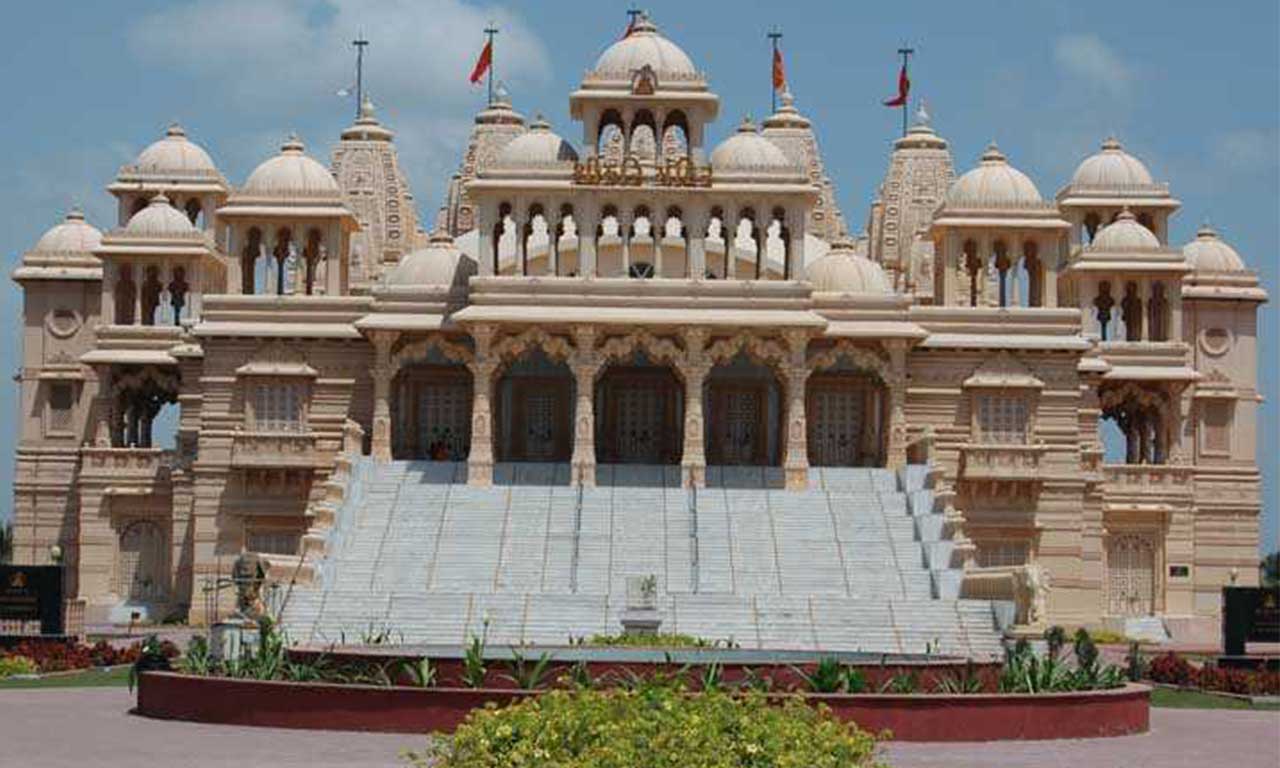
Early morning visit the Dwarkadhish Temple and witness the Aarti.
Porbandar, the coastal heritage town of Gujarat is located on the Saurashtra peninsula, on the Arabian Sea. This city is described in Skanda Purana as Sudamapuri and Ashmavati and had a flourishing trade with Africa and Arabia. Till date, the spice market in Porbandar draws a huge crowd. According to the legends, this city was the main link of the great friendship between Lord Krishna and Sudama. Porbandar was established as a capital by Rana Sartanji in 1785 AD. Porbandar was the former capital of the Jethwa Rajput petty princely state. The most impressive feature of Porbandar is the city planning and the stone buildings with ashlar masonry and rich carving, the facades of the houses on either side of the streets, with windows and carved gateways. Porbandar is also associated with Mahatma Gandhi, the father of the nation as he was born here. Today, fine quality silk and cotton are manufactured here. There are also chemical factories and cement works. Later visit Kirti Mandir – Kirti Mandir was the house of Mahatma Gandhi and Kasturba, his wife. This place is situated near the place where the Mahatma was born. This place is now a small museum and has a Gandhian library and a prayer hall. Bharat Mandir is another place to visit, which houses relief map of India and reliefs of great historical personalities who shaped India’s future.
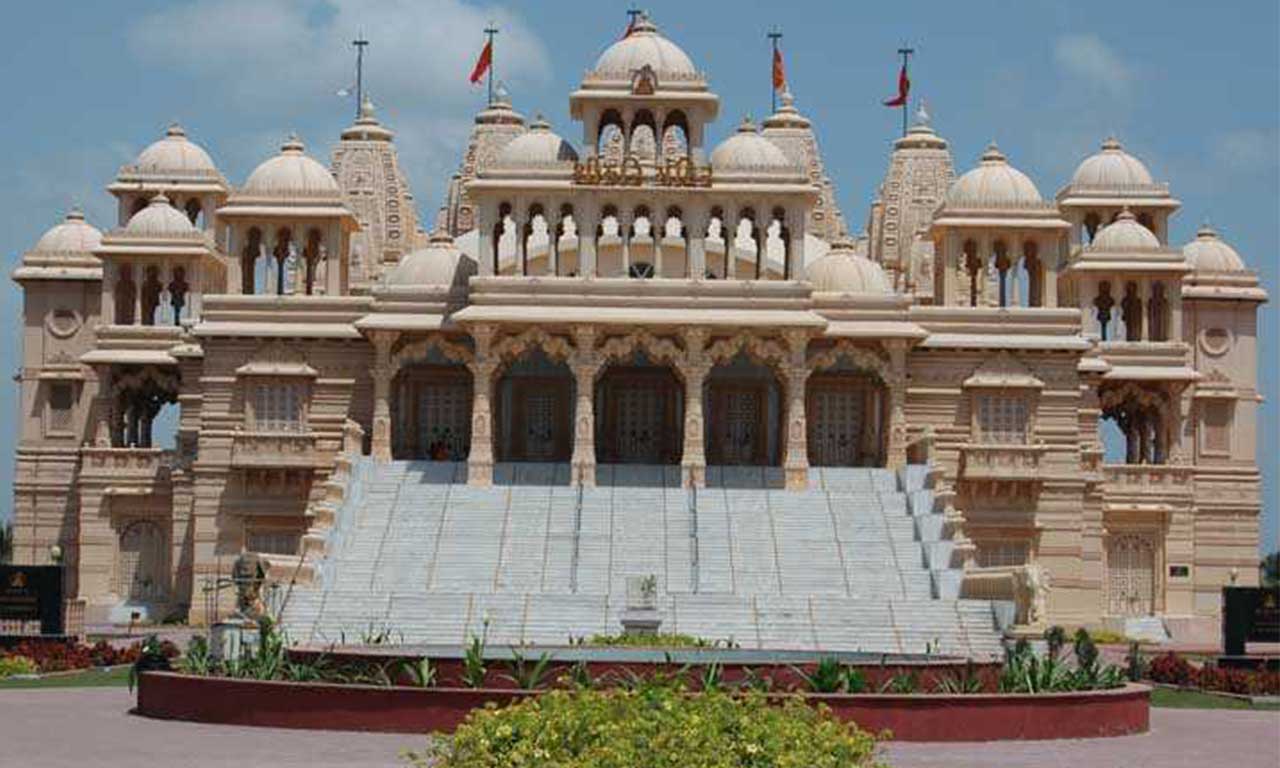
Somnath consists of a few streets leading away from its phoenix like temple. The rugged sea below gives it a lonely, wistful charm. Somnath is mainly known for the legendary shore temple of Somnath, which is dedicated to the Lord Shiva. The temple is an example of grit and determination and how to rise out of downfall as the temple has been plundered and destroyed many times and re-erected again in all its glory. To be precise, destroyed seven times and built eight! The legendary shore temple of Somnath is one of the twelve most sacred shrines dedicated to the Lord Shiva. The temple contains the Jyotirlinga of Lord Shiva. According to the legends, the Somnath temple is very old and was originally built in gold by the Somraj, the Moon God. Later, it was rebuilt by Ravana, in silver; then by Krishna in wood and Bhim Dev in stone. Mahmud of Ghazni, upon hearing the description of the richness of the Somnath temple by Al Biruni, an Arab traveller, visited this temple in 1024 AD. At that time, this temple had about 300 musicians, 500 dancing girls and 300 barbers to shave off the heads of pilgrims. After a two day’s battle, Mahmud destroyed the temple and carried away jewels and gold to his homeland. In all, the Somnath temple was rebuilt and destroyed eight times. This temple was finally rebuilt in 1950 with the support of Sardar Vallabhabhai Patel. The current temple was built as per the traditional designs on the original site by the sea and is a serene, symmetrical and sinuous structure. Today, this majestic temple is a replica of the earlier temple. Overnight at hotel |
 |
BY ROAD – 100 KMS / 02 HRS – SOMNATH TO DIU Day 6
After breakfast drive to Diu; Arrive Diu and transfer to your hotel.
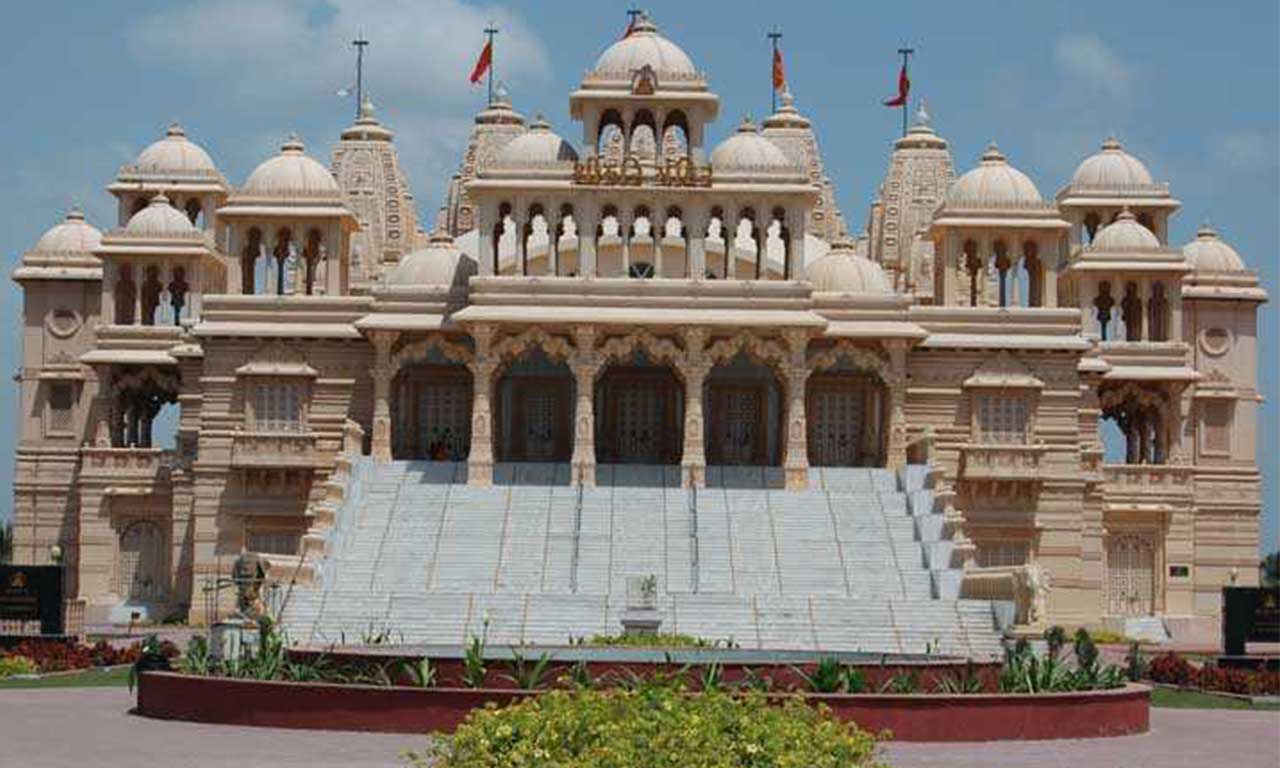
St. Thomas Church Museum: A huge edifice in gothic architecture was built in 1598. A part of it has been converted into a museum an Archaeological treasure house.
Overnight at hotel |
 |
IN DIU Day 7
Day is at leisure.
|
 |
BY ROAD – 125 KMS / 02.5 HRS – DIU TO SASANGIR Day 8
After breakfast drive to Sasan Gir, popularly known as Gir, the most famous lion sanctuary in India. And the one place in the subcontinent where Asiatic Lions can be found in the wild. Sasan Gir is on the south-western border of Saurashtra peninsula in Gujarat and is home to nearly 400 Asiatic lions. The Sanctuary was created in 1913 to provide protection to the largest surviving groups of the Asiatic lions and was given the status of the sanctuary in 1965; the numbers of lions has been steadily on the rise since 1980. This is the only place in the World outside the African continent where the lion can be seen in its natural habitat. The lion safaris are popular among tourists & jeeps are freely available for touring the forest. Though the most famous inhabitants of the park are Asiatic lions, but it also provides natural habitat to lot of other species like Chital, Chinkara (Gazelle) Four-horned antelope, Leopard, Nilgai, Spotted deer, Wild boar, Wild ass, Monkeys, Parrots and Peacocks, many other birds etc. Overnight at hotel |
 |
BY ROAD – 375 KMS / 08 HRS – SASANGIR TO AHMEDABAD Day 9
After breakfast drive to Ahmedabad. If interested, visit the Siddhi Tribal villages on your way out of the Gir jungle. These tribals came to India from Africa as slaves to the emperors and made India their home. African by looks, Indian by clothes and Gujarati by language - a unique blend, interaction with whom must not be skipped.
Ahmedabad- the world heritage city is Located on the banks of the river Sabarmati; the city was founded by Sultan Ahmad Shah in 1411. Today it is one of the fastest growing cities of India and is an immense repository of tradition, history & culture. Its famous walled area is one of the finest examples of community living & the city thrived as the textile capital & was nicknamed “Manchester of the East' in 1888. This multicultural city is home to some of the finest Indo-Saracenic mosques & Jain temples. The old city of Ahmedabad is dotted with labyrinthine by-lanes guarded by huge gates called 'polls'. The exquisite carved wooden mansions and havelis are marvelous. The city also offers a rich architectural legacy that blends Hindu and Muslim schools of architecture, stone and brick with arches, domes and vaults, carved pillars, trefoil designs besides the modern buildings designed by the famous French architect, Le Corbusier and Louis Kahn. Overnight at hotel |
 |
IN AHMEDABAD Day 10
After breakfast proceed for city tour of Ahmedabad.
Jumma Masjid: The Friday mosque was built by the city’s founder, Sultan Ahmed Shah, in 1423. Built of yellow sandstone in an architectural style that combines the best of Muslim & Hindu traditions. It stands on 260 pillars that support 15 domes at varying elevations. The heritage walk ends here, if you have already visited the monument during your walk, you may skip it the next day.
Hutheesingh Jain Temple: Built outside the Delhi Gate in 1850 by a rich Jain merchant, the Hutheesingh Temple is the best known of Ahmedabad’s many ornate Jain temples.
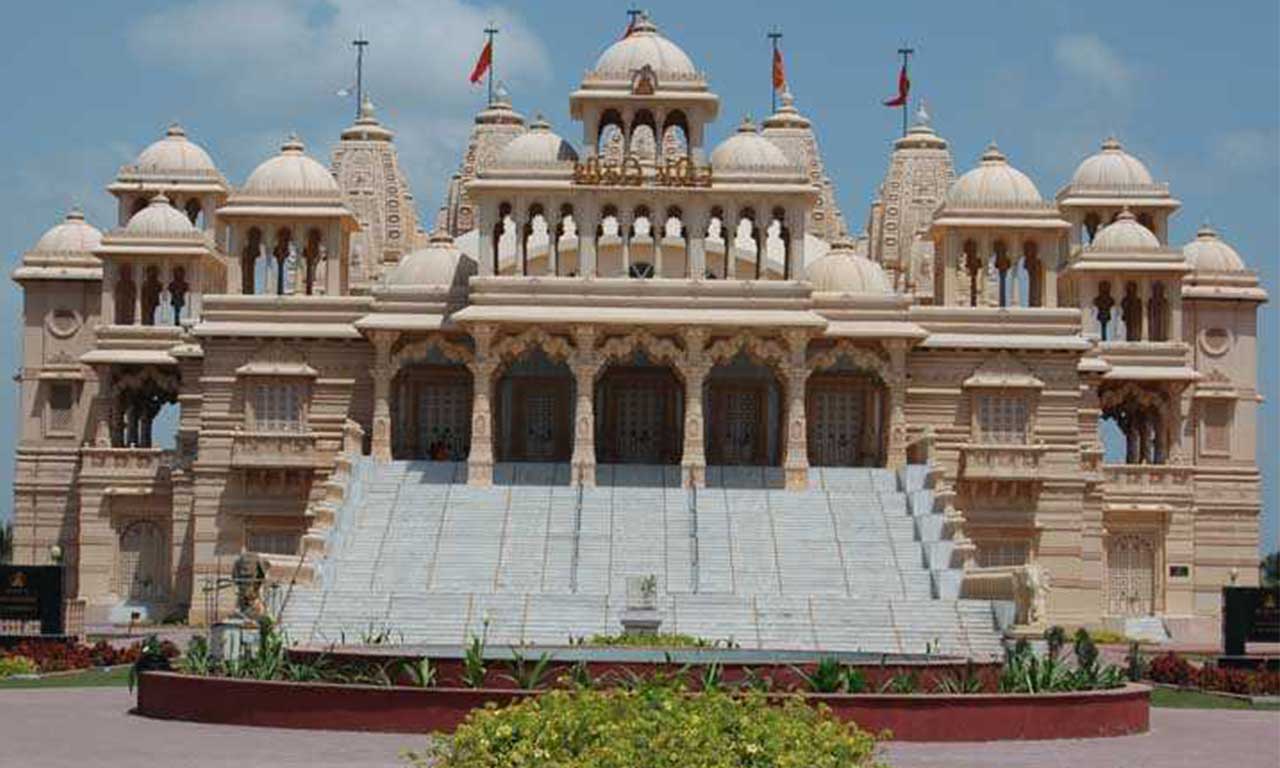
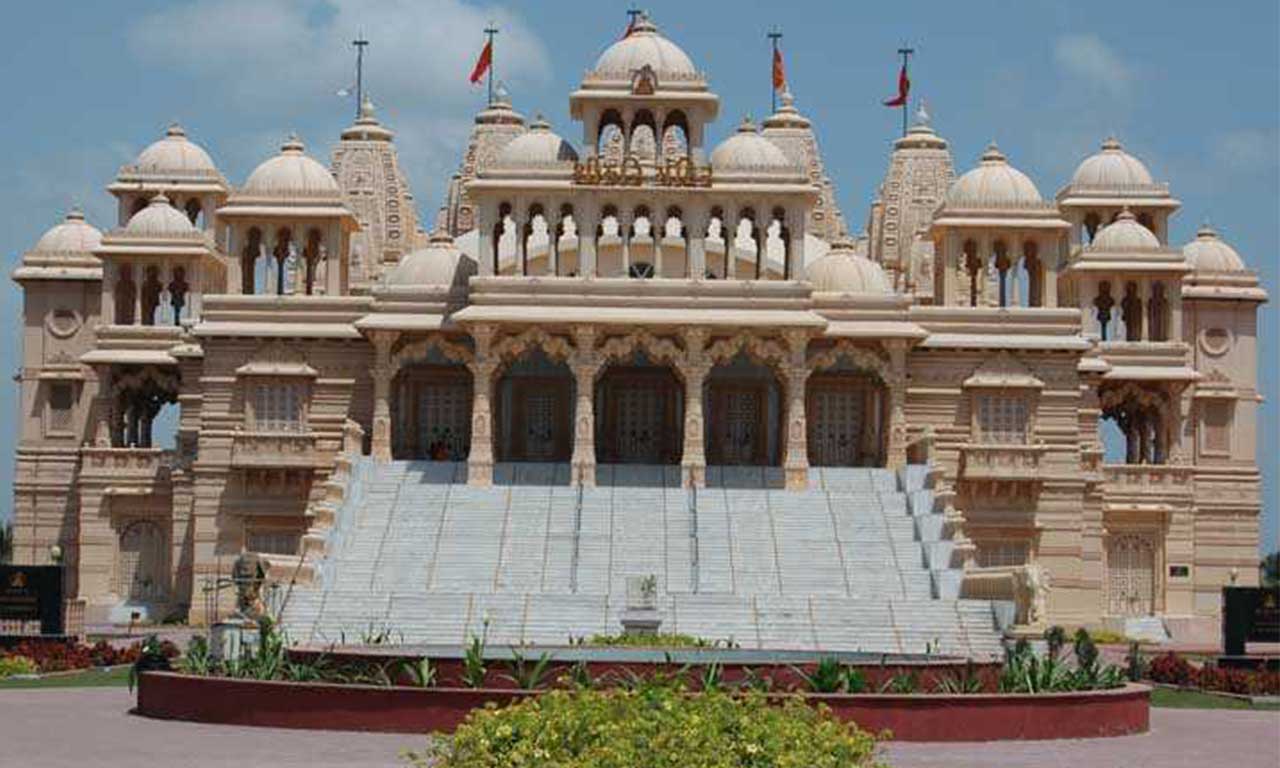
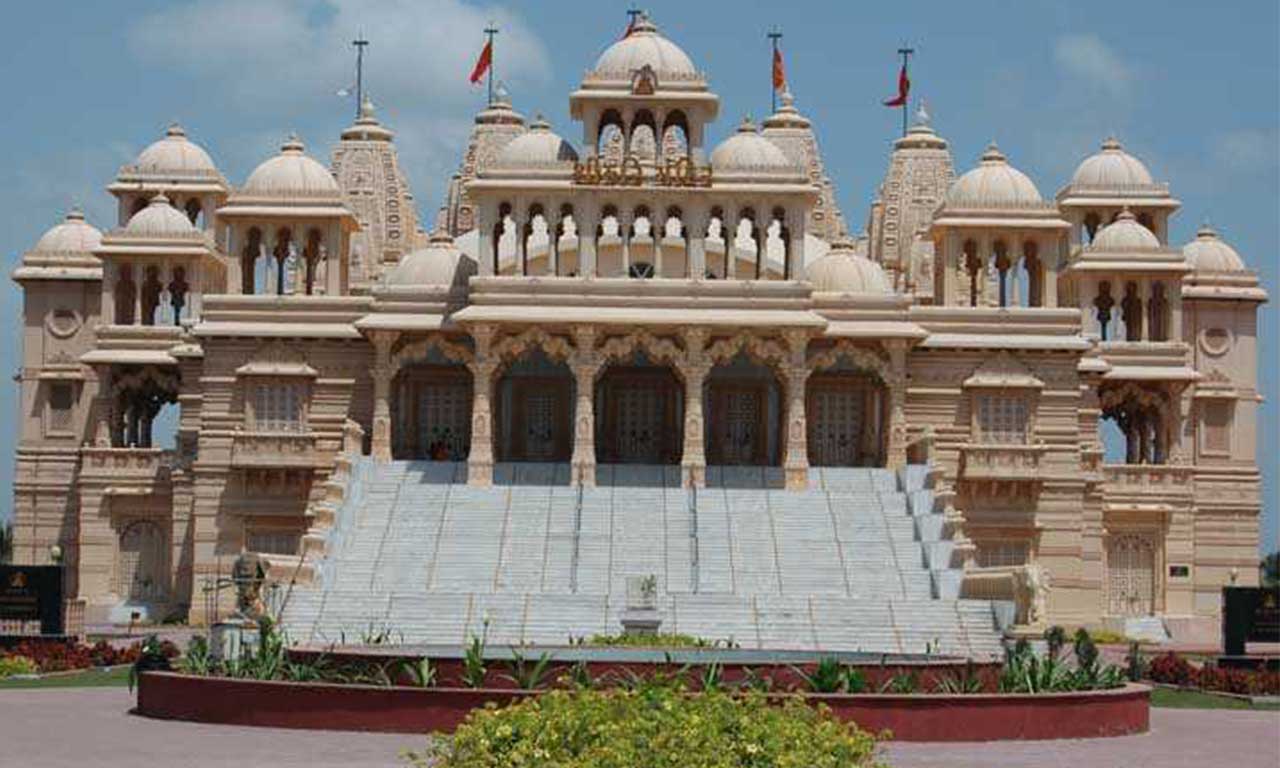
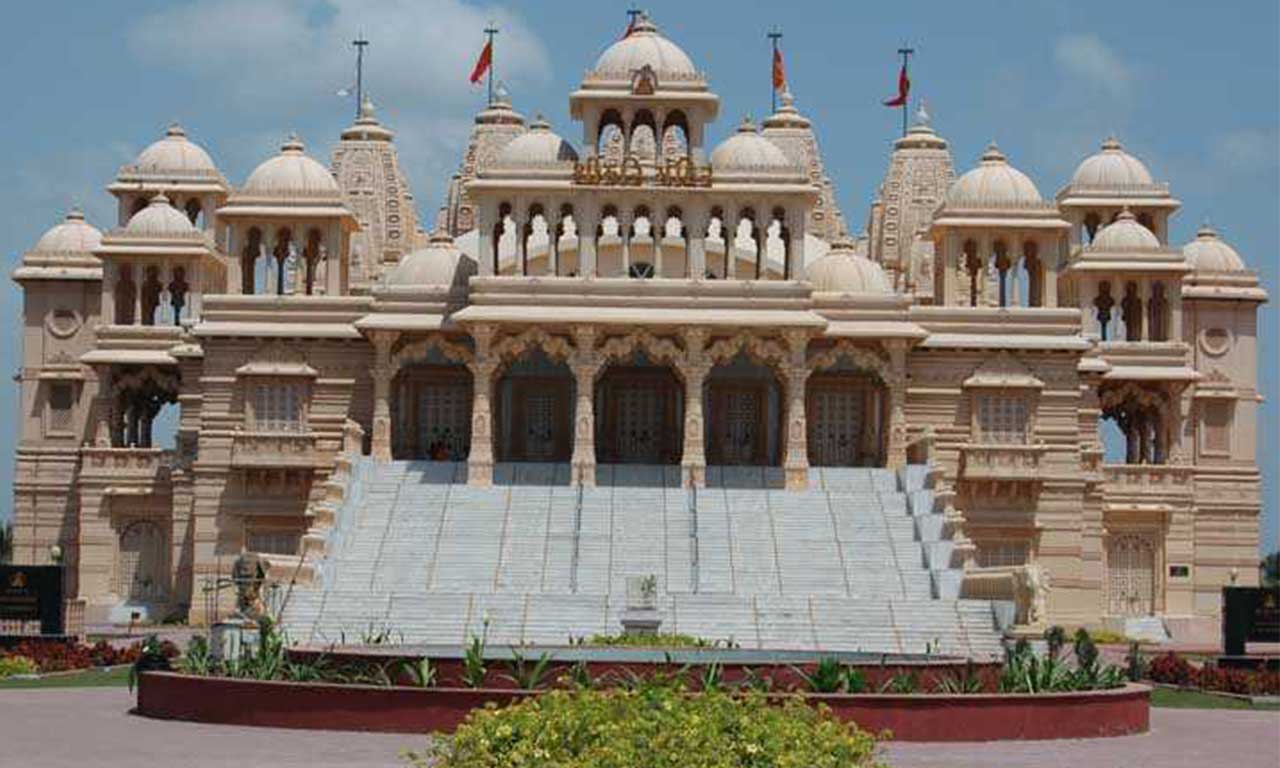
Akshardham: Lord Swaminarayan, born in Chapaya in Uttar Pradesh, took a seven-year pilgrimage in Gujarat to preach his religion. He built six temples, the first being at Kalupur in Ahmedabad. Akshardham, the Swaminarayan temple of Gandhinagar, is a modern complex, built in traditional Indian architectural style from 6,000 metric tons of pink Rajasthan sandstone, carved by expert artisans from Bansipahadpur. The temple is set in a multi-acre garden called Sahajanand Van, with intricate sculptures of Hindu Gods. There is a gold leaf copper sculpture of Lord Swaminarayan that faces similar sculptures of Gunatinand Swami. The interiors have beautiful columns in rosewood that rise to a high dome. Akshardhamremains closed on Mondays. Overnight at hotel |
 |
BY AIR / TRAIN – DEPART AHMEDABAD Day 11
Today in time transfer to Ahmedabad Airport / Railway Station to board flight / train for your onward journey to your next destination. |
 Price
Price
 Inclusions
3 Star Category hotels with CP
10 Nights accommodation at the hotel mentioned above or similar category of alternate
hotels.
Meal Plan – As Mentioned above.
All currently applicable taxes.
All transfers, city tours and transport services by air-conditioned All India Tourist permit
Vehicle as per the above itinerary.
Road taxes, parking fee, fuel charges, interstate taxes.
 Exclusions
Monument Entrance Fee.
Services of English-Speaking Local / Accompanying Guide.
Game Drive at Sasangir National Park or any other national park.
Expense of personal nature like tipping, laundry, telephone / fax calls, alcoholic beverages,
camera/video camera fee at monuments, medical expenses, airport departure tax etc. Any
other services not mentioned in the inclusions.
International or Domestic airfare / Train Fare.
Any expenses caused by reasons beyond our control such as roadblocks, accidents & any
medical evacuations. Any train delays, or re-scheduling etc. Any Visa fees, insurance fees,
etc. Any tips to hotel staff, local guides, drivers etc. Any meals apart from the ones
mentioned above. Any expenses apart from the ones above.
 Hotels
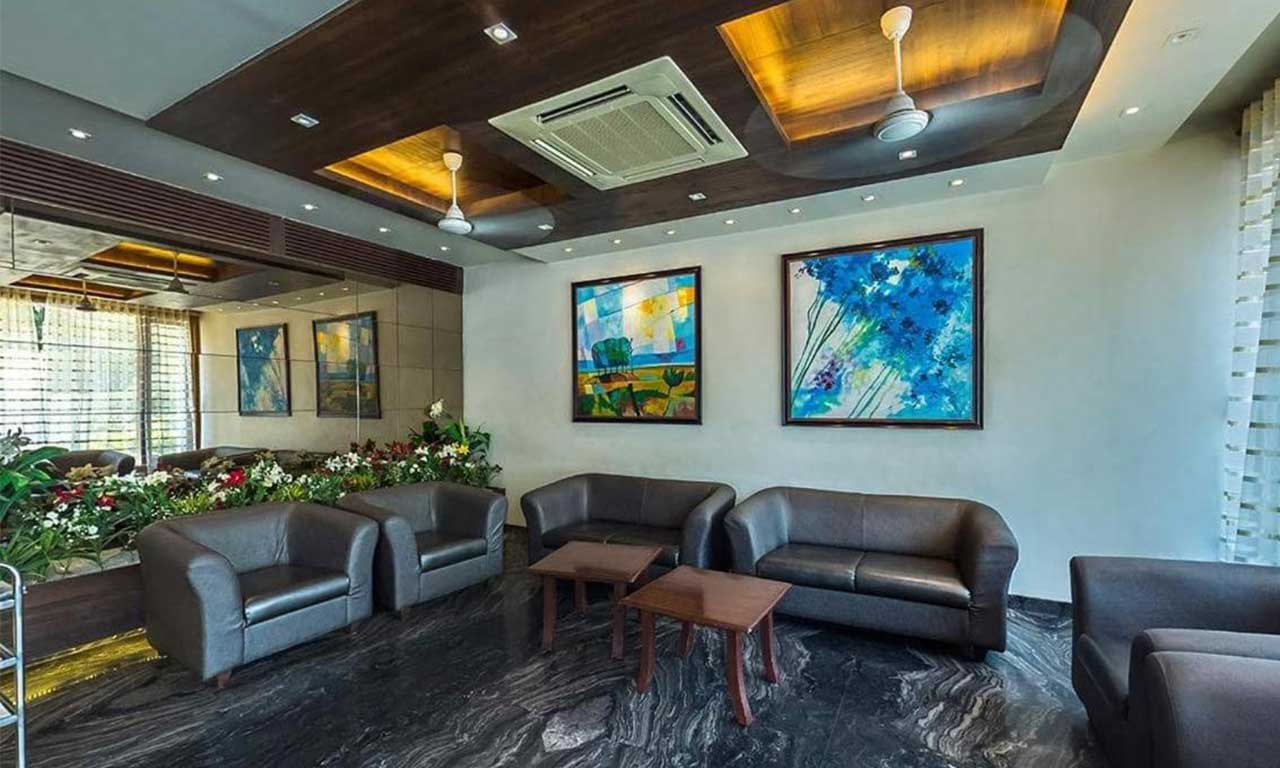 |
Grand 3D
Surve No. 363, Near New Market Yard, Bhuj – Madhapar Highway, Bhuj – Kutch, Bhuj, Gujarat 370001 |
Related Hotels | |
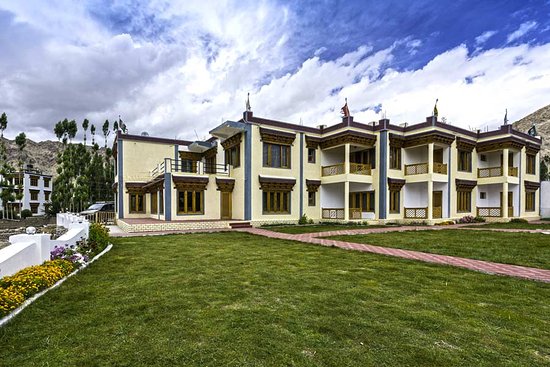 |
Hotel Classic Ladakh
Upper Karzoo, Samkar, , Samkar Road Pin-194101 |
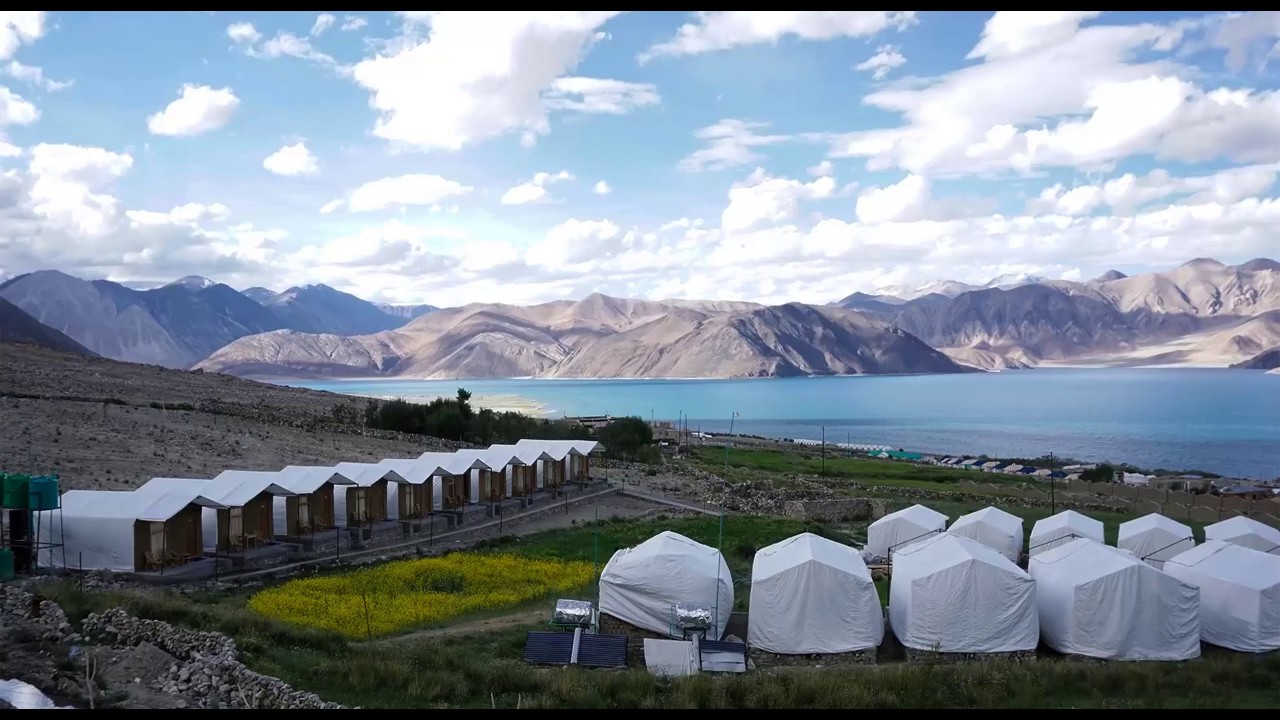 |
Ladakh Summer Camp-Nubra
Hunder, Nubra, Hundar 194401 |
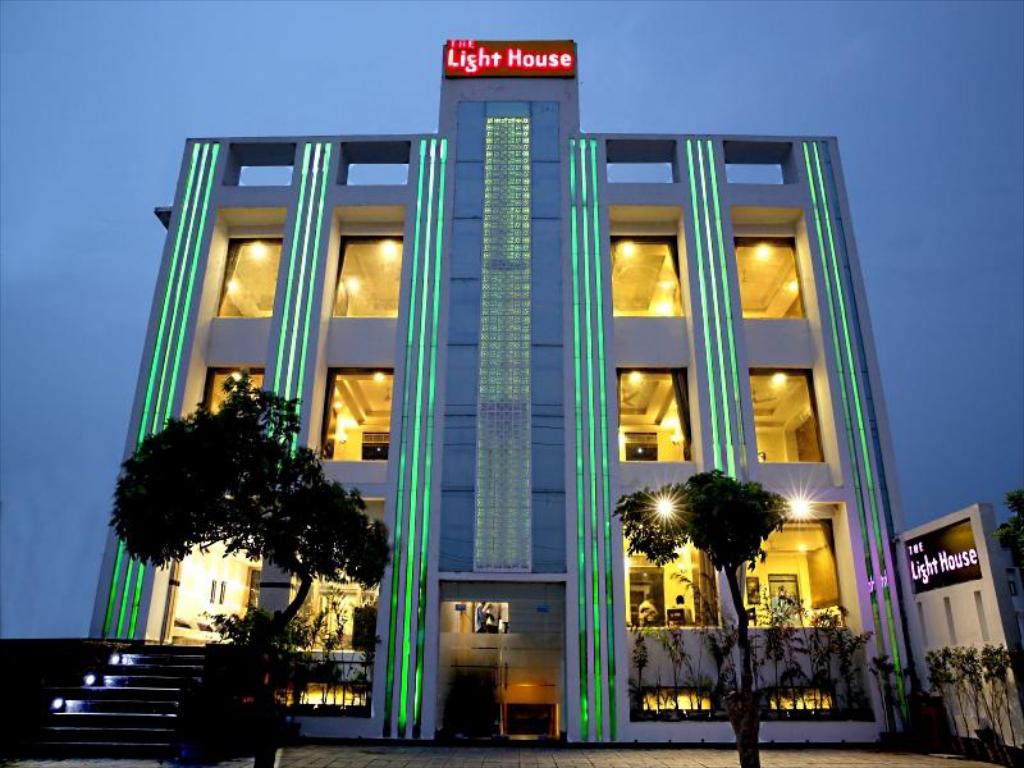 |
Hotel Light House
Kanak Estate,Taj Nagari Phase- II 282001 |
 Conditions
Check-In time is 1400 hrs & Check-out time 1200 NOON at all hotels.
Sasangir National Park will be closed from 15 th June to 15 th October every year.
Guests’ ID proofs are required for safari bookings.
In case on any amendment in local Government taxes, or any fuel hike, we reserve the right to adjust the tour price accordingly.